
Express Error and Performance Monitoring
Actionable insights to resolve Express performance bottlenecks and errors. Improve your Express monitoring workflow with a full view of releases so you can mark errors as resolved and prioritize live issues.
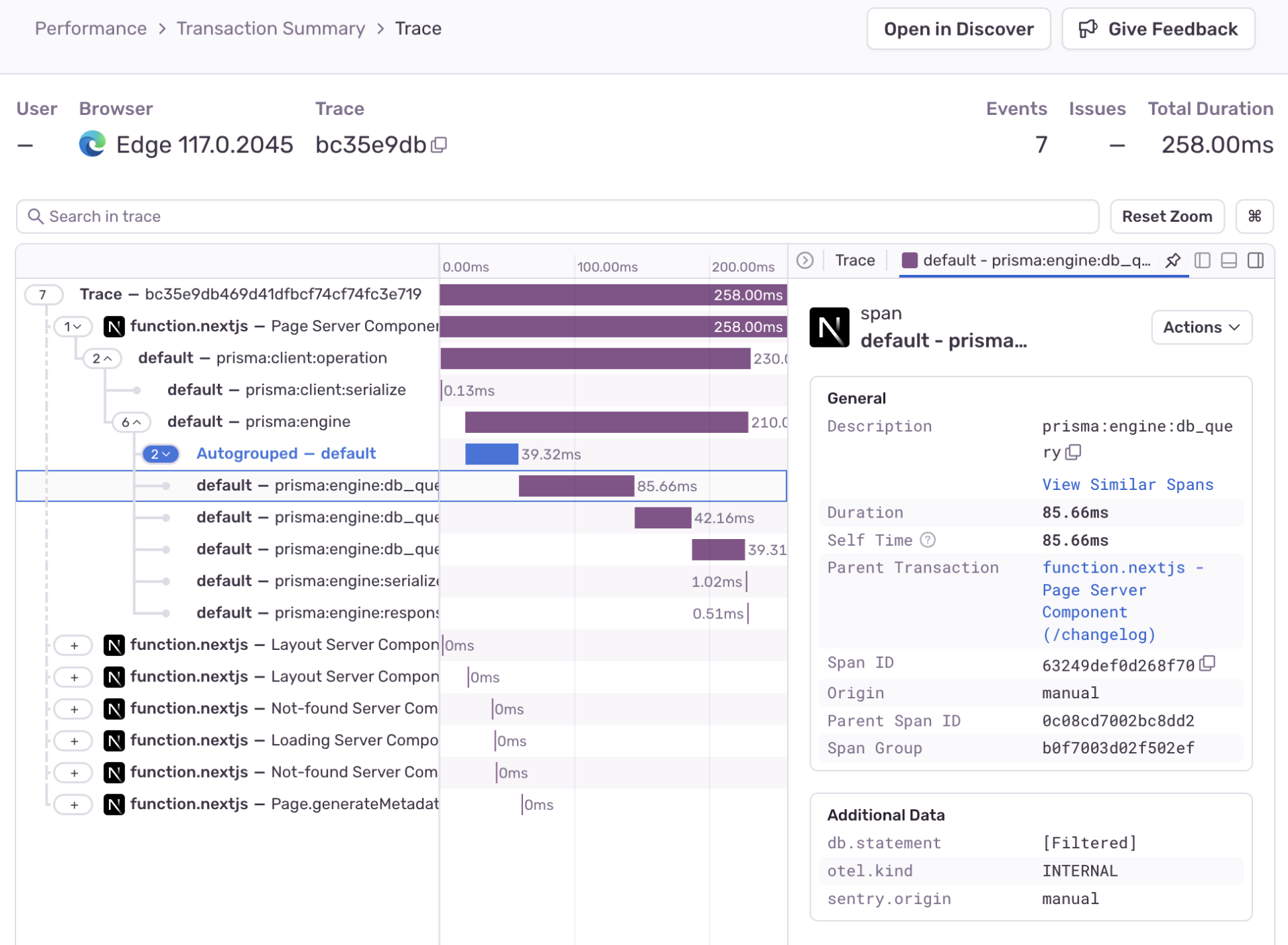
Powered by OpenTelemetry
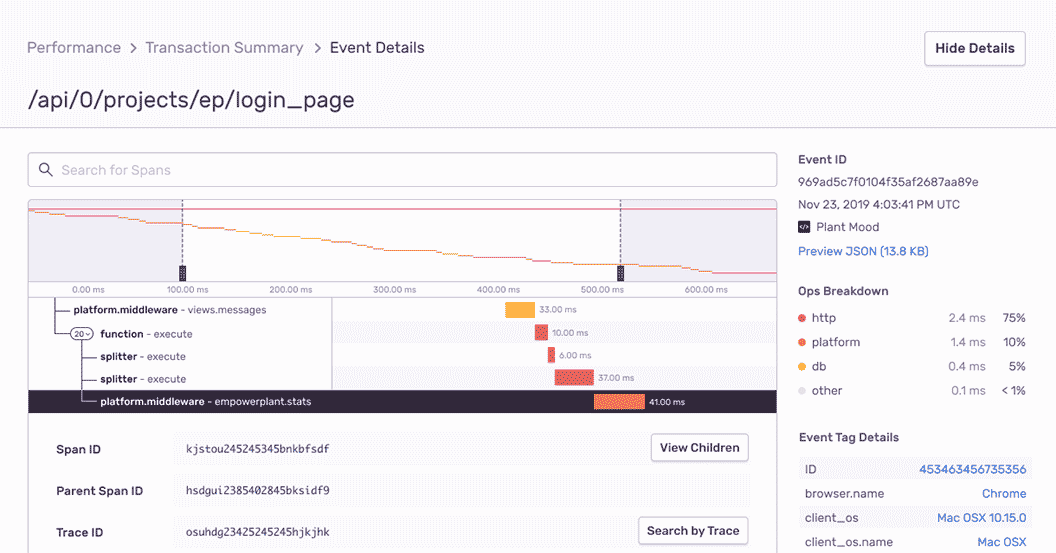
Express Performance Monitoring
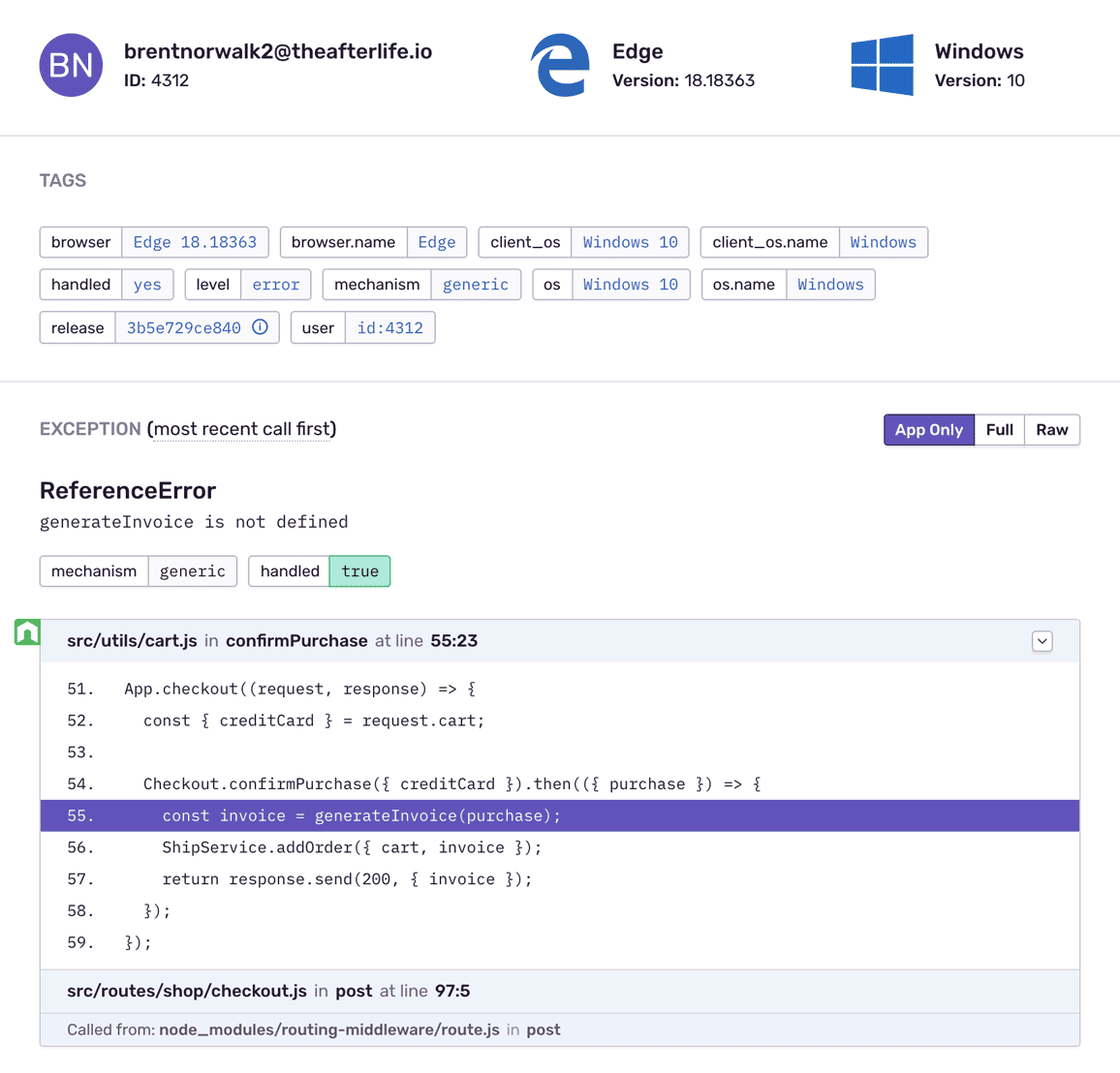
Express Error Monitoring with Complete Stack Traces
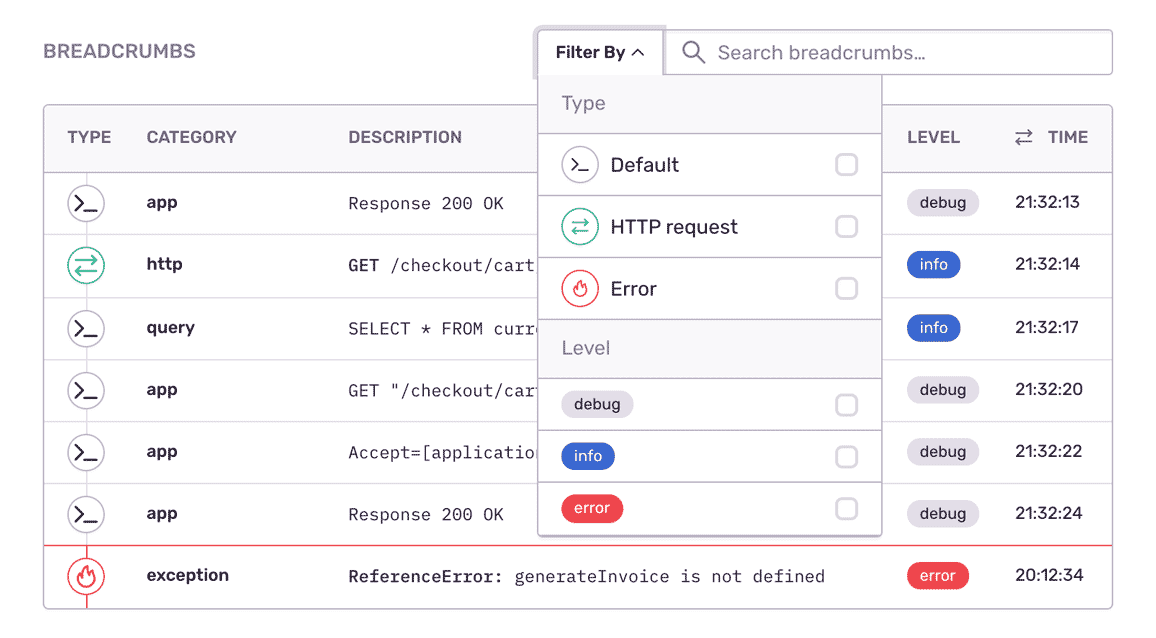
Fill In The Blanks About Express Errors
Express Application Profiling
"Sentry's high-quality tooling helps Disney+ maintain high-quality service to its tens of millions of global subscribers."
Debugging Any Express Exception
Aggregate errors by factors like request details, user ID, and event level to see what's new, a priority, or a trend.
Assign custom key-value tags to reproduce the error environment specific to your application, business, and users.
Find answers to key questions: Has an error with the same stack occurred before? In which app release did the Express bug occur?
It's why companies that don't have a complete view of their infrastructure are being punished:
The average cost of network downtime is around $5,600 per minute — or $300,000 per hour.
1 out of 5 online shoppers will abandon their cart because the transaction process was too slow.
On average, a two-second slowdown in page load decreases revenues by 4.3 percent.
FAQs
Sentry supports every major language, framework, and library. You can browse each of them here.
You can get started for free. Pricing depends on the number of monthly events, transactions, and attachments that you send Sentry. For more details, visit our pricing page.
Sentry doesn't impact a web site's performance.
If you look at the configuration options for when you initialize Sentry in your code, you'll see there's nothing regarding minimizing its impact on your app's performance. This is because our team of SDK engineers already developed Sentry with this in mind.
Sentry is a listener/handler for errors that asynchronously sends out the error/event to Sentry.io. This is non-blocking. The error/event only goes out if this is an error.
Global handlers have almost no impact as well, as they are native APIs provided by the browsers.